Serving Watsonville, CA and surrounding areas. (831) 666-1547
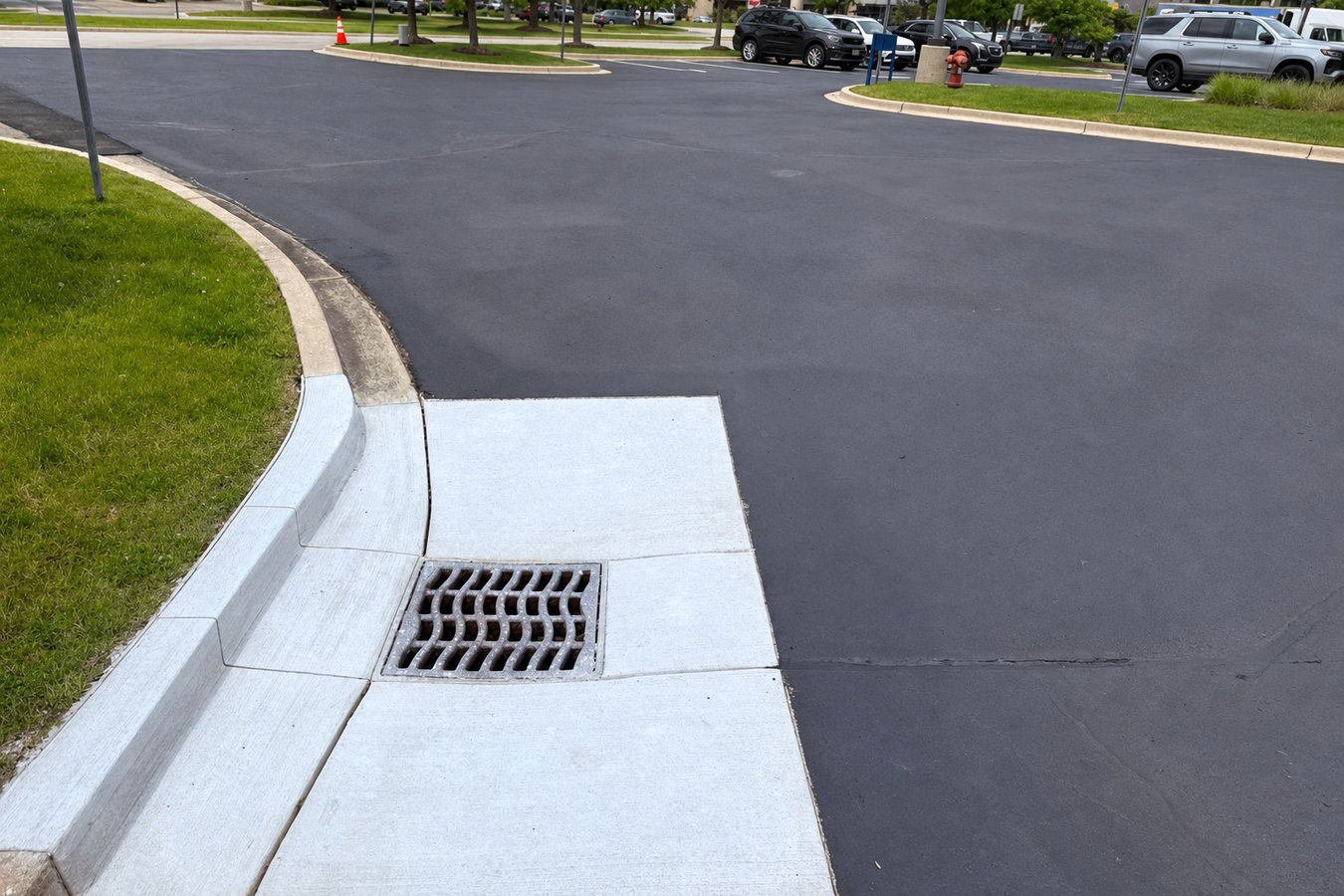
Standing water on your driveway destroys asphalt from underneath. We fix the grade, install the right drains, and protect your pavement before another rainy season hits.
Drainage solutions in Watsonville redirect water off paved surfaces using channel drains, catch basins, slope corrections, and French drains along pavement edges, most residential jobs are completed in one to two days and restore proper water flow before the next wet season.
If your driveway sits in a puddle after every storm, the problem is almost never the driveway itself - it is the grade and drainage system underneath. Watsonville sits in the Pajaro Valley where clay-heavy soils slow absorption to a crawl during the wet season, so water lingers on your pavement for hours or days after a storm. That standing water works into hairline cracks and weakens the base layer from below, and before long you have the kind of damage that needs more than drainage work to fix. Pairing drainage with grading and excavation is often the most complete way to address both the surface problem and the underlying soil conditions at once.
If water is still sitting on your asphalt a day after a storm, the surface lacks the slope or drainage outlets it needs. In the Pajaro Valley, where clay soils stay saturated for weeks during winter, those puddles will return with every rain. Each standing-water cycle softens the base layer and accelerates surface cracking.
When rain flows across your driveway toward your garage door or front entry rather than away from your home, you are one bad storm away from water getting inside. The grade is working against you. Left uncorrected, this pattern will eventually damage your garage floor, foundation soil, and anything stored near the entry.
Cracks that seem to grow each spring, or spots where the pavement feels spongy underfoot, are signs that water has been getting underneath the surface and softening the base. Watsonville's concentrated winter rainfall accelerates this process when drainage is poor. Addressing the drainage first stops the damage from continuing.
If the soil along the sides of your driveway is washing out after heavy rain, water is running off the pavement in an uncontrolled way and carrying the supporting soil with it. Over time, that erosion undermines the edges of the asphalt and causes the surface to crack and crumble inward from the sides.
We approach every drainage job by looking at how water actually moves across your property - where it comes from, where it lingers, and where it needs to go. For most residential driveways, the fix involves some combination of surface regrading, channel drains set flush with the pavement, or catch basins that collect runoff from a wider area and funnel it to a safe outlet. When a driveway already needs work on its base or surface, coordinating the drainage fix with other paving improvements keeps the project efficient and avoids cutting into fresh pavement later.
Some properties need only a single well-placed channel drain in front of the garage door. Others, especially on flat Pajaro Valley lots where there is little natural fall, need a complete regrading of the pavement surface so water moves consistently toward the drain rather than pooling in low spots. We size every system for what actually falls here, not for a drier climate, because Watsonville's winter rains are concentrated and sustained and demand proper capacity in the drains and outlet pipes.
Best suited for driveways where water pools at the low end, especially in front of garage doors, and needs a linear outlet to redirect flow away from the structure.
Best suited for larger paved areas, parking pads, or lots where runoff collects from a wide surface and needs to be funneled underground to a single outlet point.
Best suited for flat or reverse-sloped driveways where the pavement itself needs to be rebuilt with the correct pitch so water runs off naturally toward a drain or outlet.
Best suited for properties where water enters the driveway from surrounding soil or adjacent slopes and needs to be intercepted before it reaches the paved surface.
Watsonville sits in the Pajaro Valley along Monterey Bay, where nearly all of the year's rainfall arrives in a compressed window from November through April. The soil here is clay-rich and absorbs water slowly even under the best conditions. Once the ground is saturated after weeks of winter storms, it essentially stops absorbing altogether. That means every drop that falls on your driveway during a heavy January or February storm has nowhere to go except across the surface. Drainage systems here need to handle that volume quickly and direct it to a safe outlet, because the soil is not going to help.
Flat and low-lying parts of the valley face an additional challenge: without natural fall in the terrain, water does not run away on its own. Even a gentle slope built into your pavement makes a significant difference on a flat Pajaro Valley lot. We regularly work on properties in Freedom and Aptos where the drainage challenges are almost identical to what Watsonville homeowners face, and the fix requires the same precision grading and correctly sized drains that account for local rainfall patterns rather than generic averages.
Describe what you are seeing - where water pools, which direction it flows, and whether you have noticed any cracking or soft spots in the pavement. We respond within one business day and schedule a site visit, because drainage problems cannot be accurately assessed without seeing the property.
We walk your driveway and yard, check the slope of the surface, trace where water enters and exits, and evaluate the soil and base conditions. You receive a written proposal that explains what we plan to do, which drains or grading adjustments are needed, and where the water will go when the system is working correctly.
On the day work begins, the crew marks drain locations, cuts into the existing asphalt where needed, and sets drains, pipes, and catch basins in place. If asphalt was removed, those sections are repaved and blended into the existing surface. Every drain is set at the correct height so water flows into it rather than around it.
Before the crew leaves, we walk the finished system with you and show you exactly where the water will go during a storm. If new asphalt was poured, stay off it for 24 to 48 hours while it cures. We also explain the simple annual maintenance - clearing debris from grates and catch basins before the rainy season - that keeps the system working for years.
Free on-site estimate. Written proposal. No surprise charges.
(831) 666-1547We design drainage systems for the sustained, concentrated rainfall Watsonville actually gets, not for a drier climate. That means correctly sized pipes and drains that handle a heavy January storm without backing up or overflowing.
Getting the slope right on Pajaro Valley clay is different from working in sandy or well-drained soils. We understand how these soils behave after months of winter rain and build the correct pitch into every surface we work on so the drainage system does its job even when the ground is fully saturated.
When your project requires approval from the city of Watsonville or Santa Cruz County, we handle the permit process on your behalf. You will know upfront whether a permit is required and how long it typically takes, so there are no delays once work is ready to start. Learn more about permit requirements at the California Contractors State License Board.
Every job starts with a written proposal that explains the scope, the materials, and where the water will go when the system is working. You know exactly what was agreed before any digging begins, and you have something to refer back to after the first rainy season proves the system out.
A properly installed drainage system does more than stop puddles - it protects the asphalt you already have and extends the time before resurfacing becomes necessary. The investment in drainage almost always costs less than the pavement repair it prevents.
Add a permanent speed control feature to your driveway or parking area while the crew is already on-site.
Learn MoreCorrect the underlying slope and base conditions that determine whether your drainage system works long-term.
Learn MoreEvery wet winter without proper drainage does more damage to your asphalt - call today and get a free on-site estimate before the rains arrive.